Nach Suriname war ein kurzer „Badeurlaub“ auf Curaçao ein idealer Abschluss unserer Mini-Südamerika-Reise 2019. Die Insel, welche ein Teil der ABC-Inseln (Aruba, Bonaire und Curaçao) ist, ist ein eigenständiges Land und gehört zum Königreich der Niederlande.
Die Insel ist sehr steinig und es sind kaum (noch) Bäume, dank der hohen Temperaturen, wenig Niederschläge und dem tropischen Klima gedeihen Kakteen und Sukkulenten und Palmen prächtig.
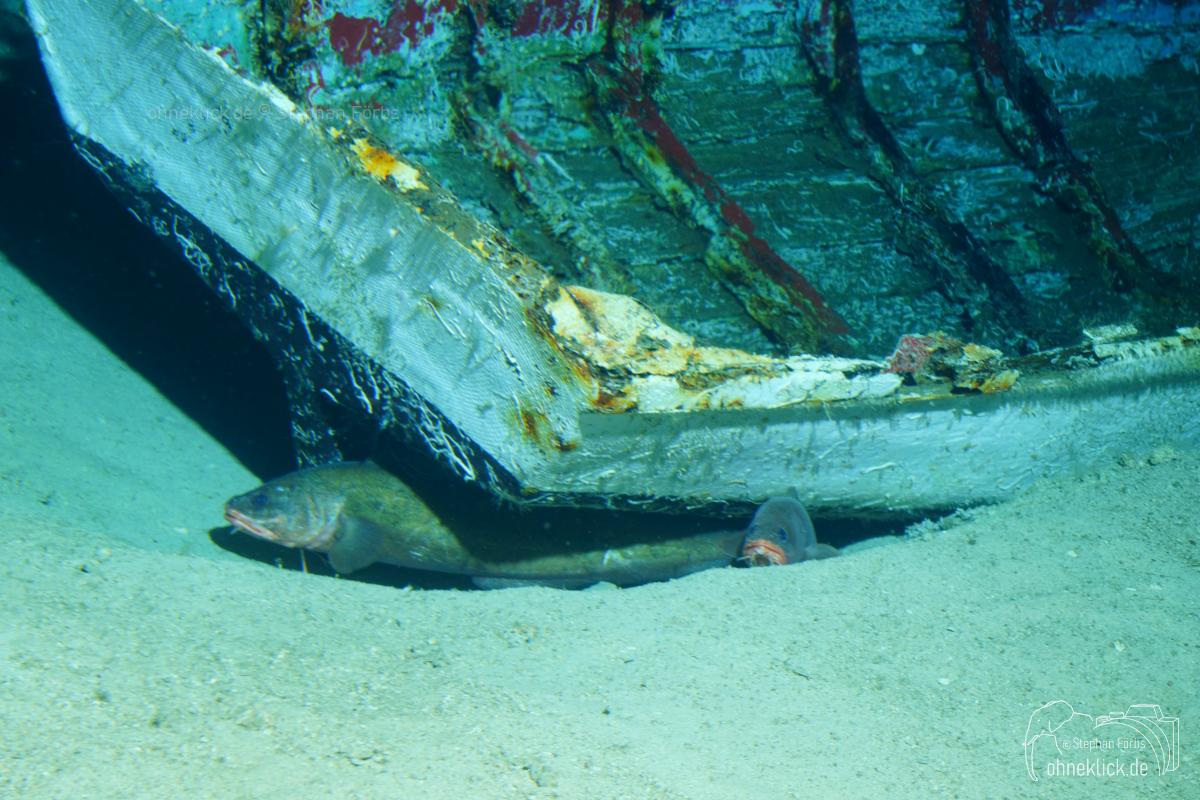
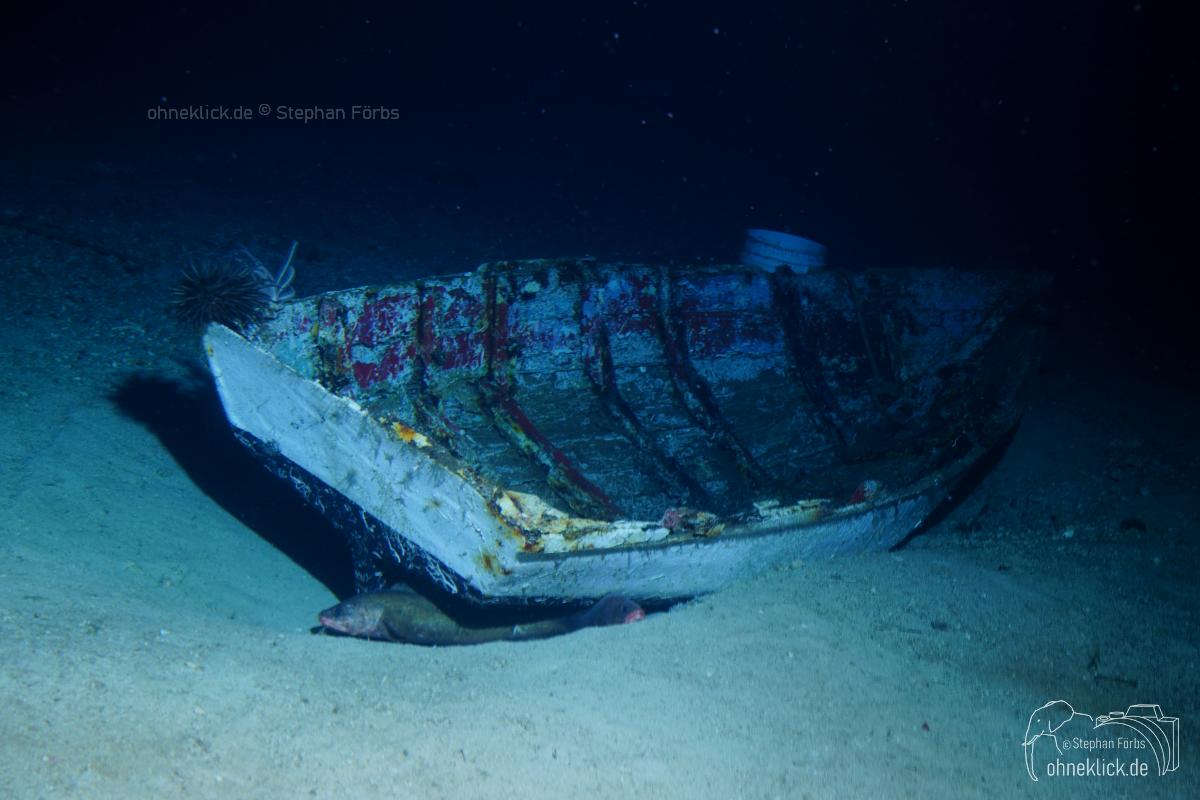
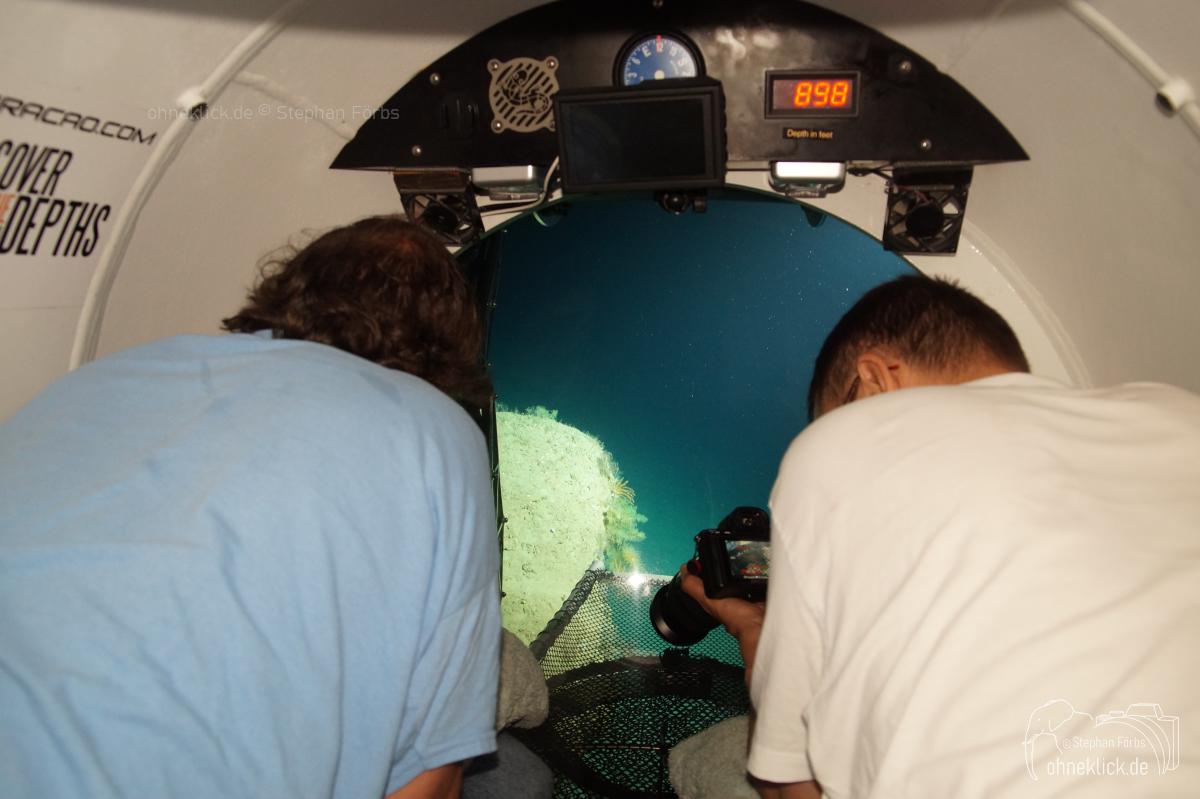
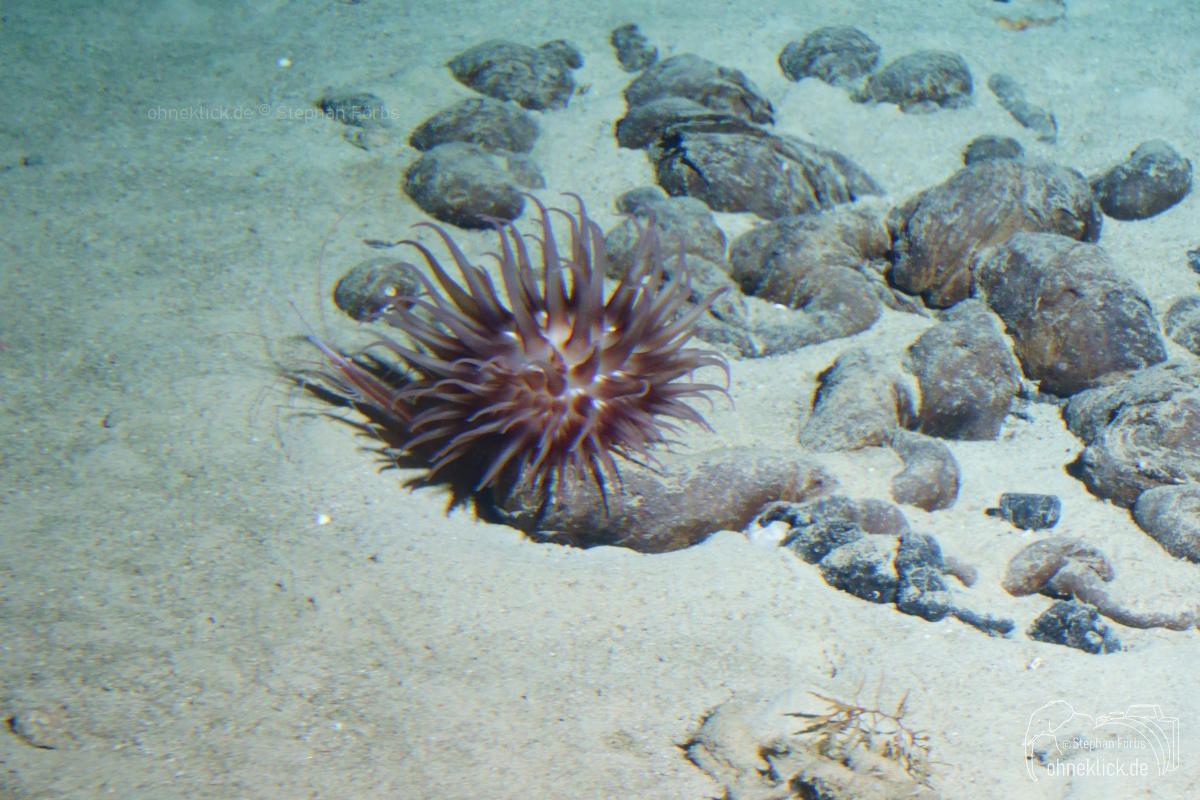
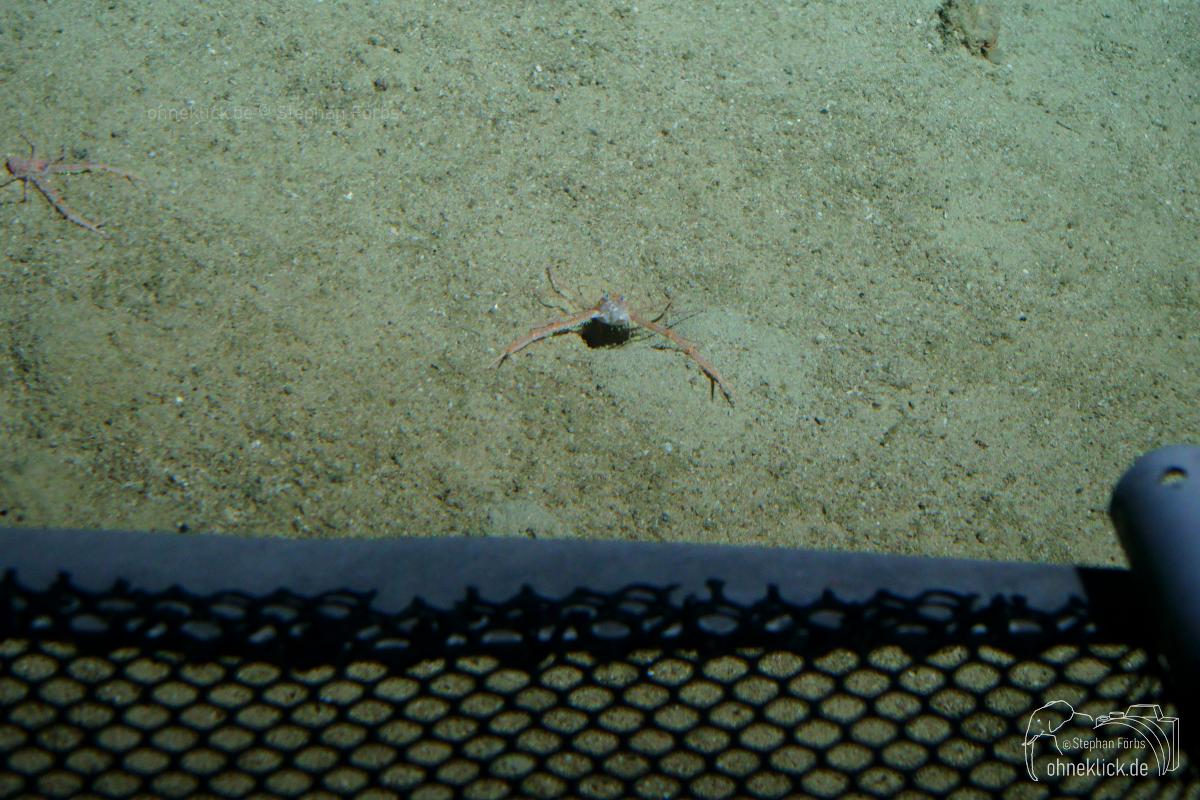
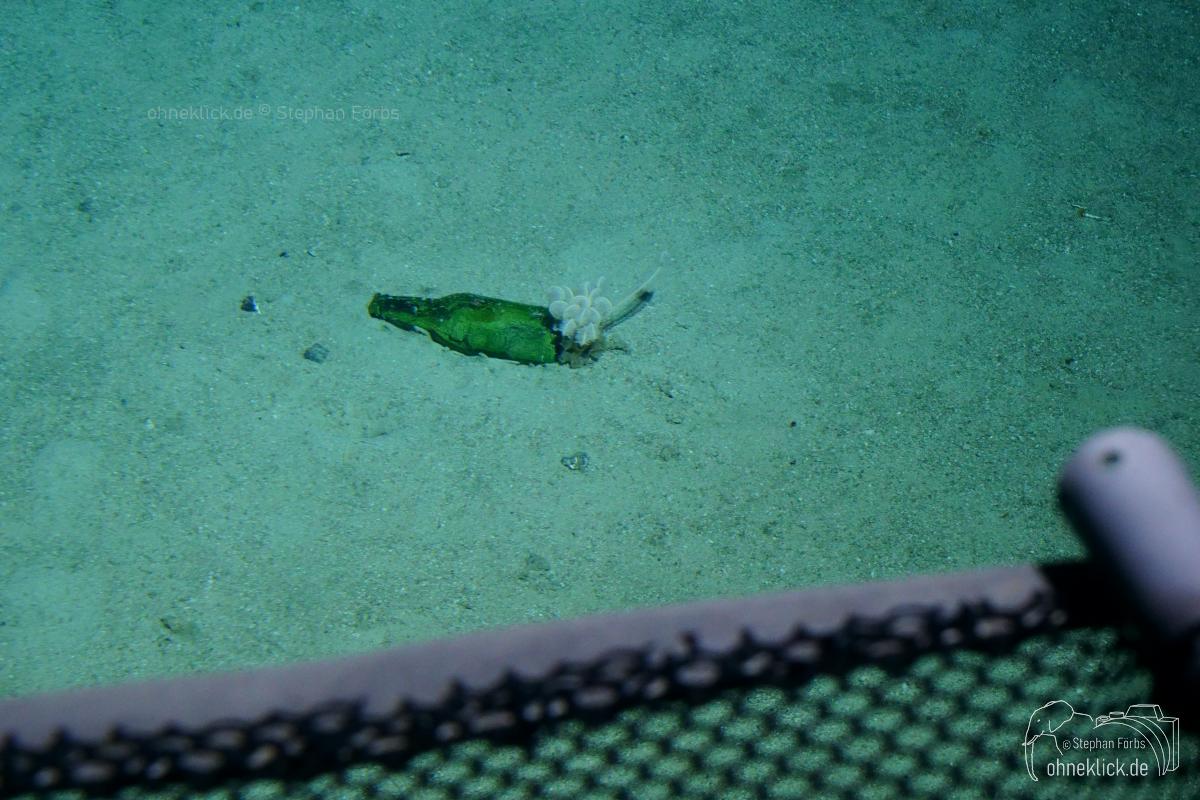
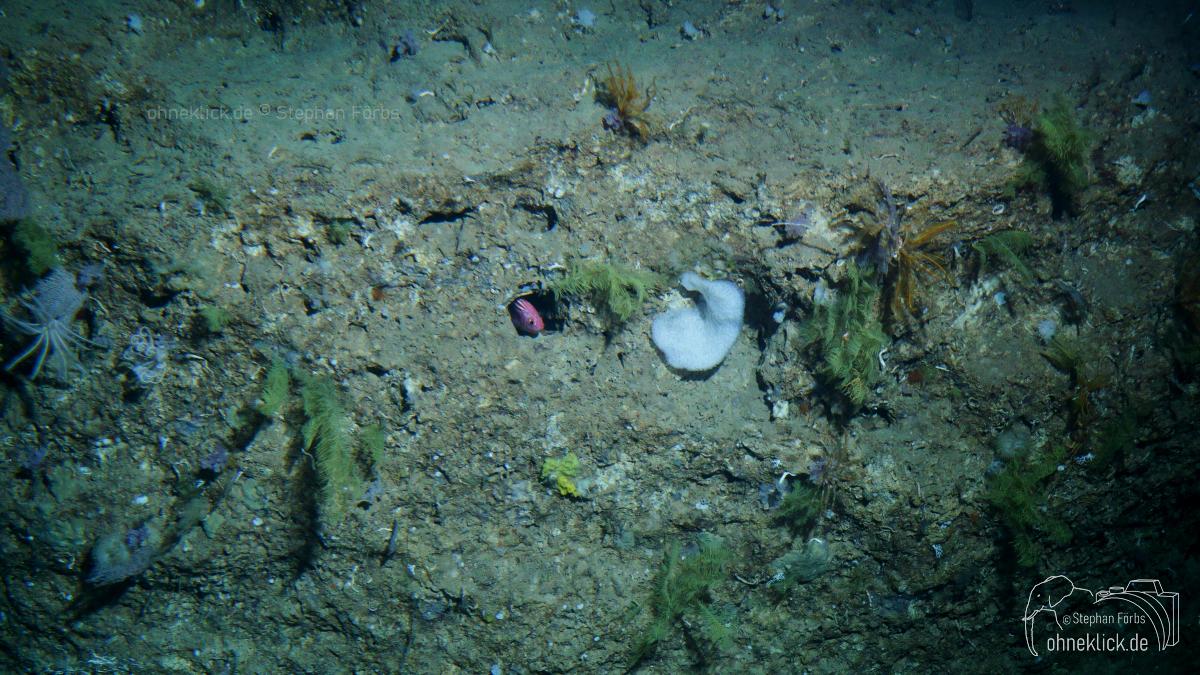
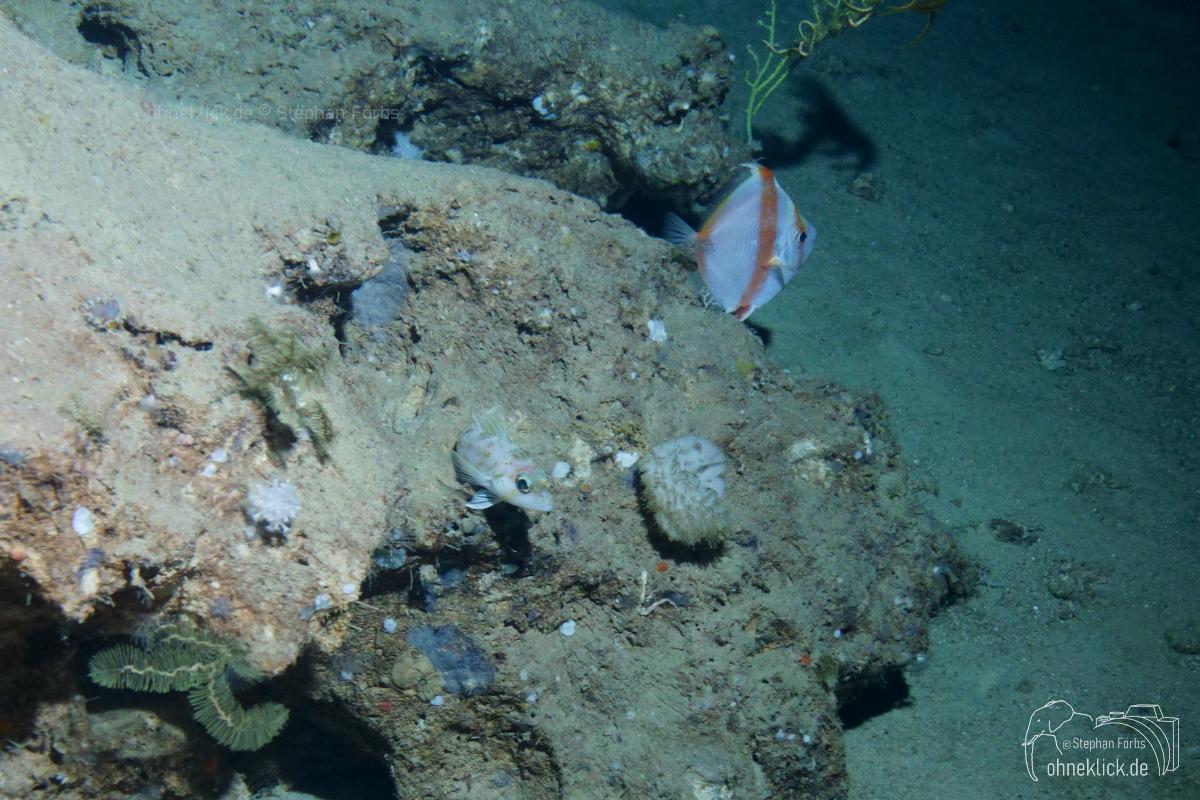
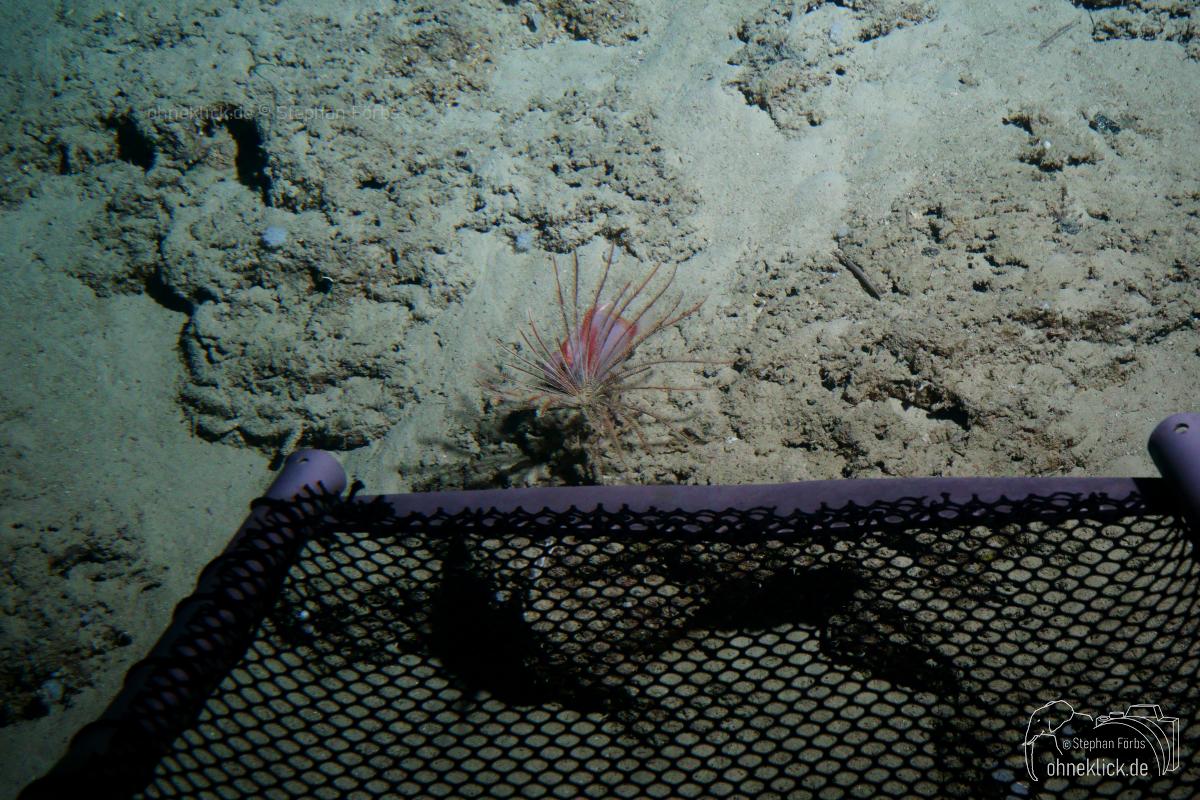
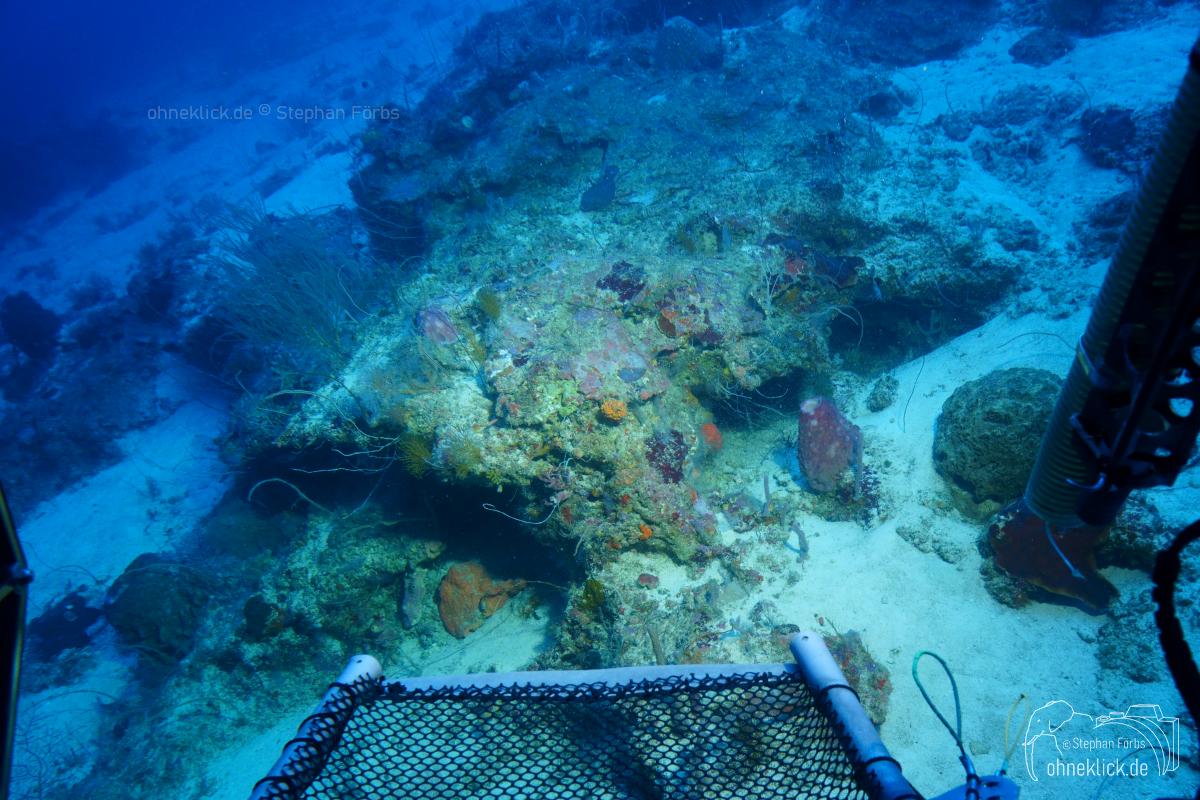
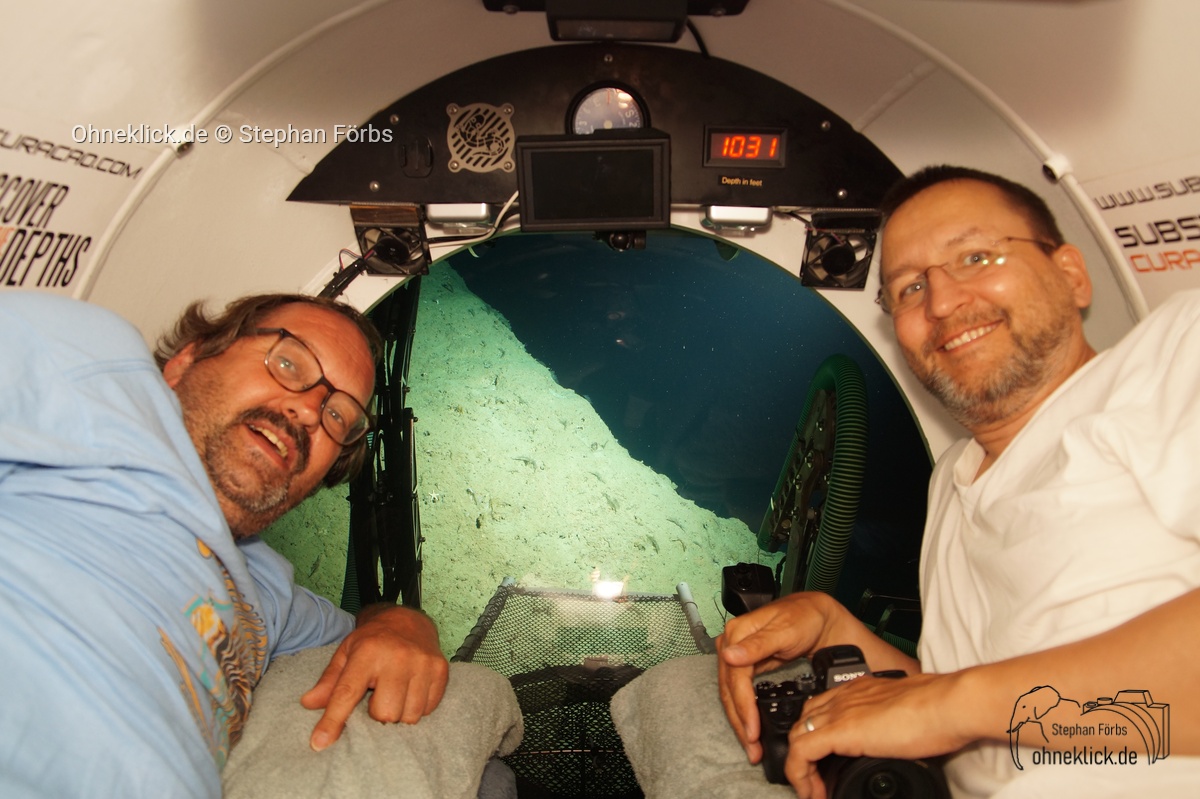
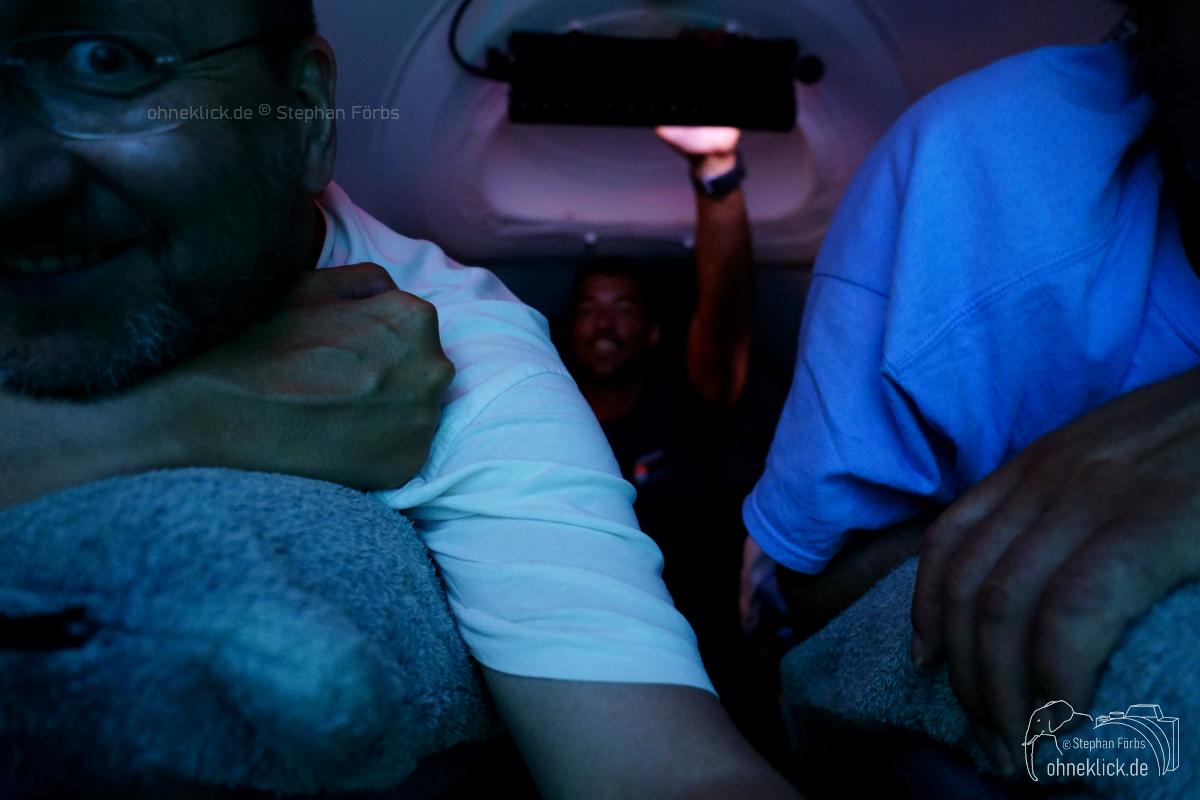
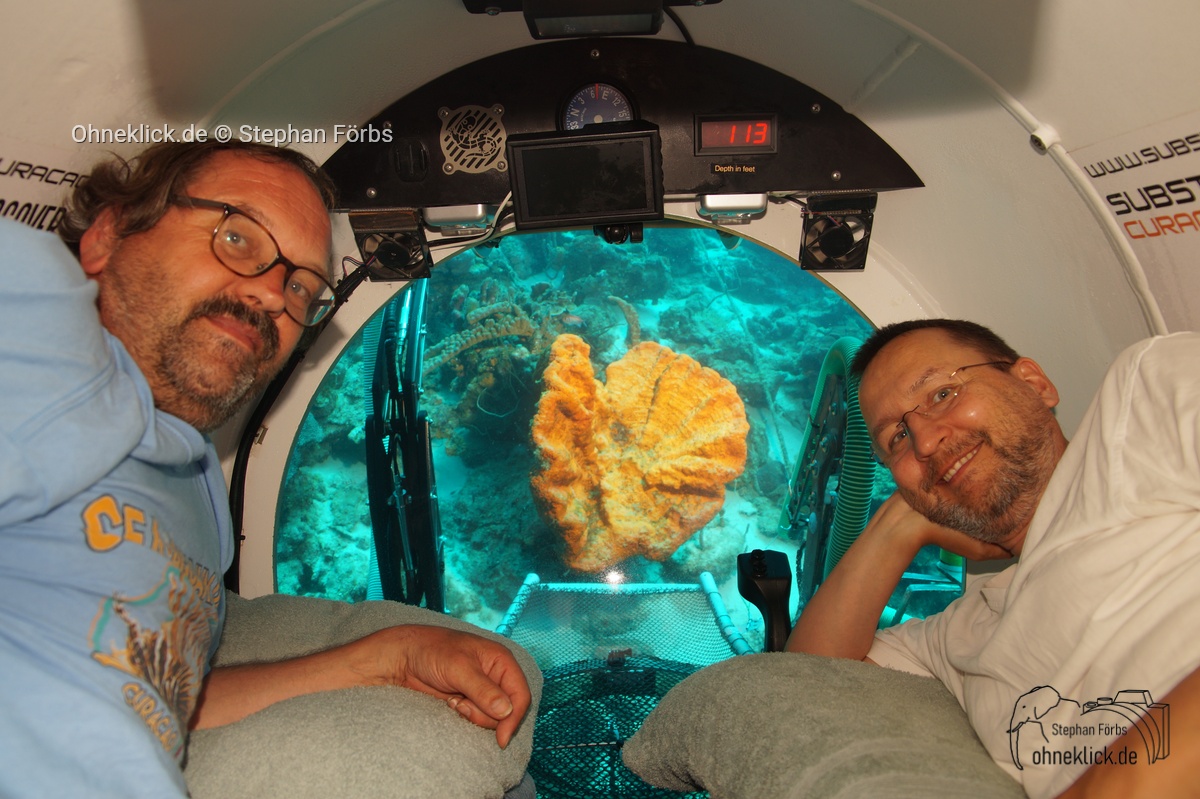
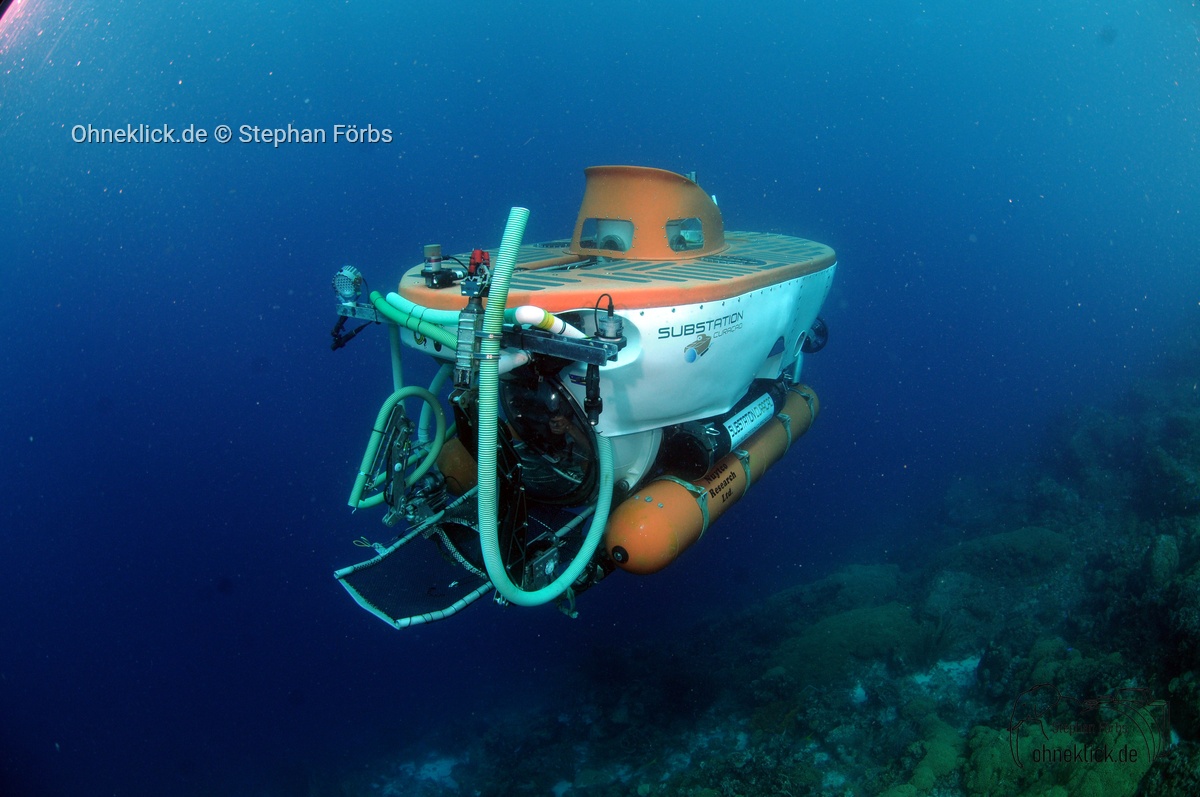
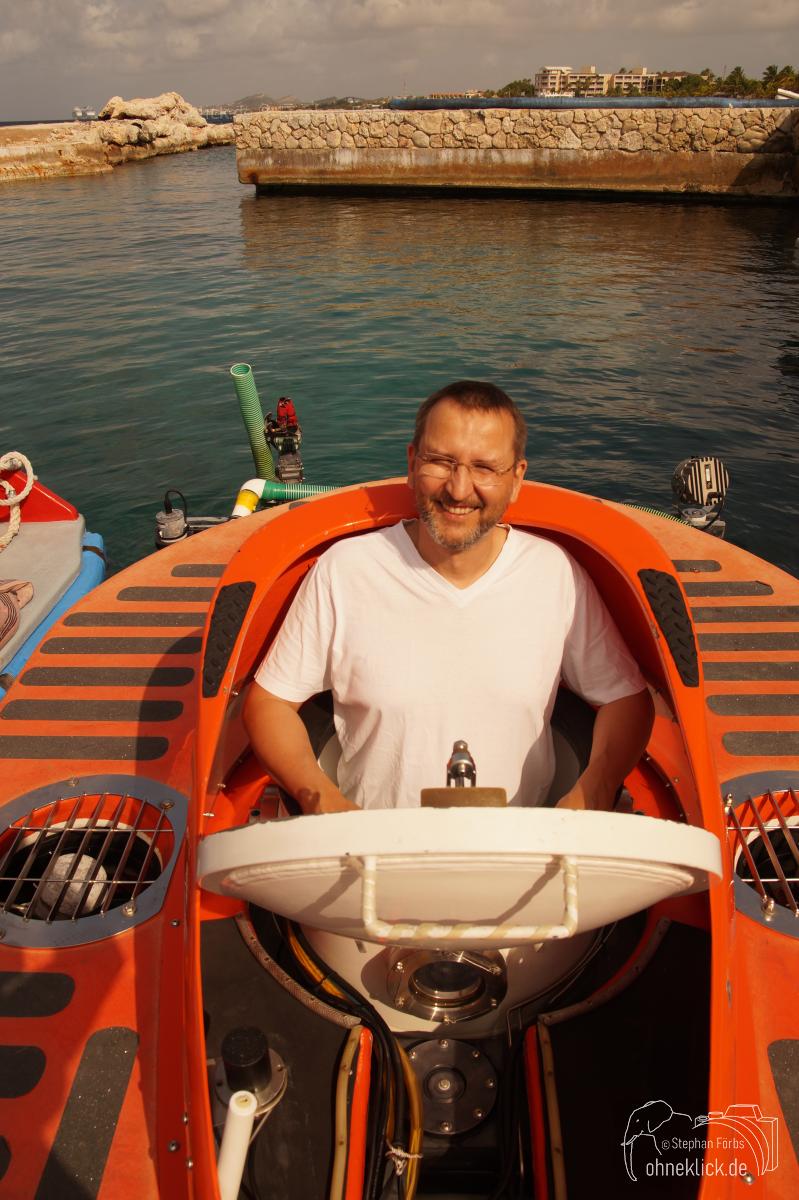
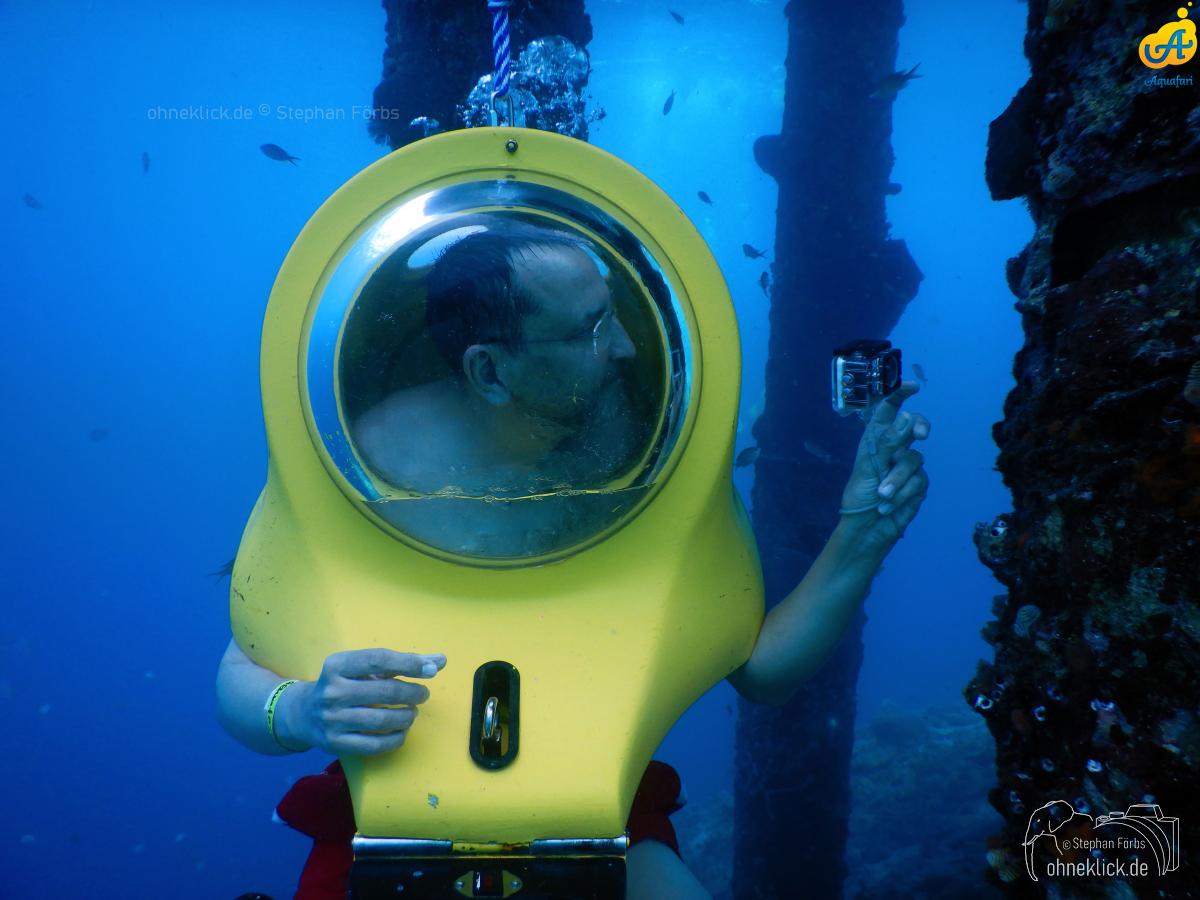
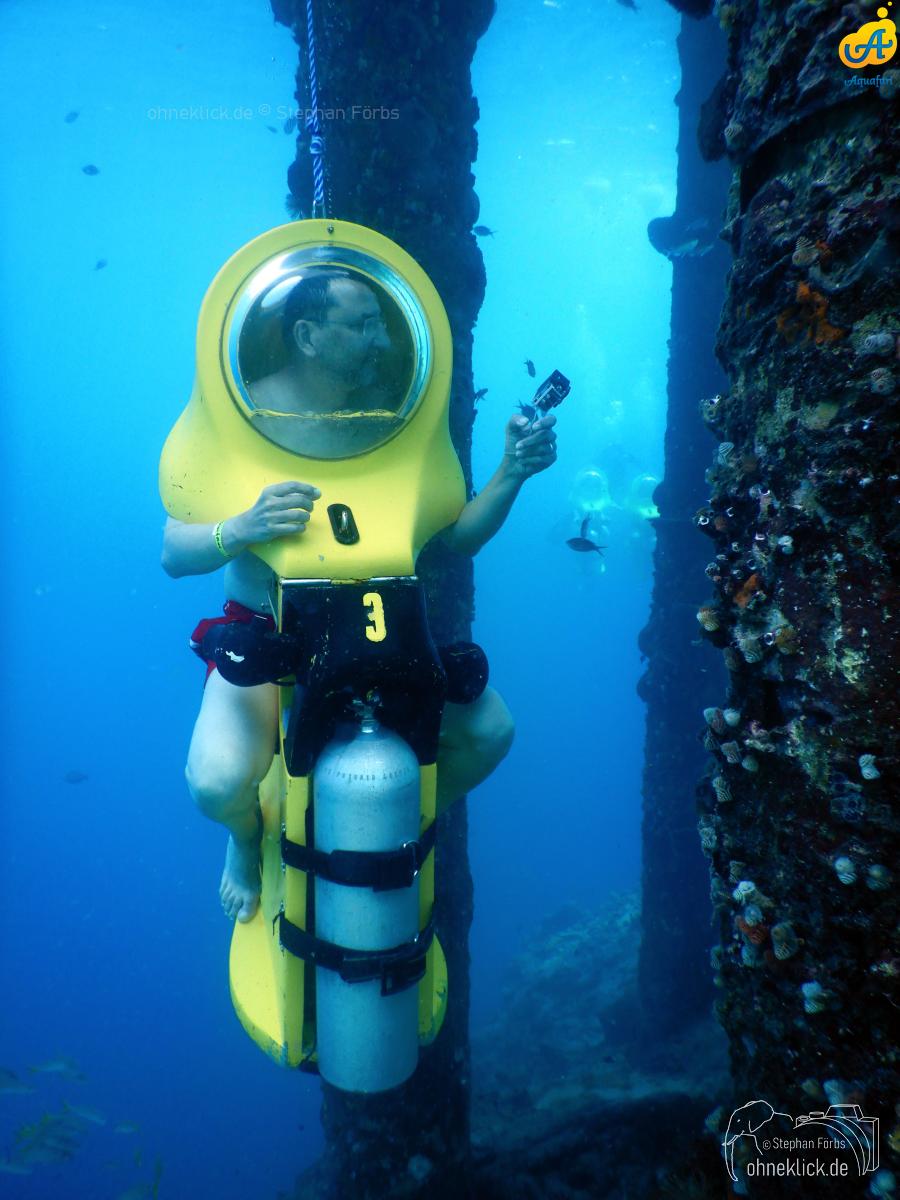
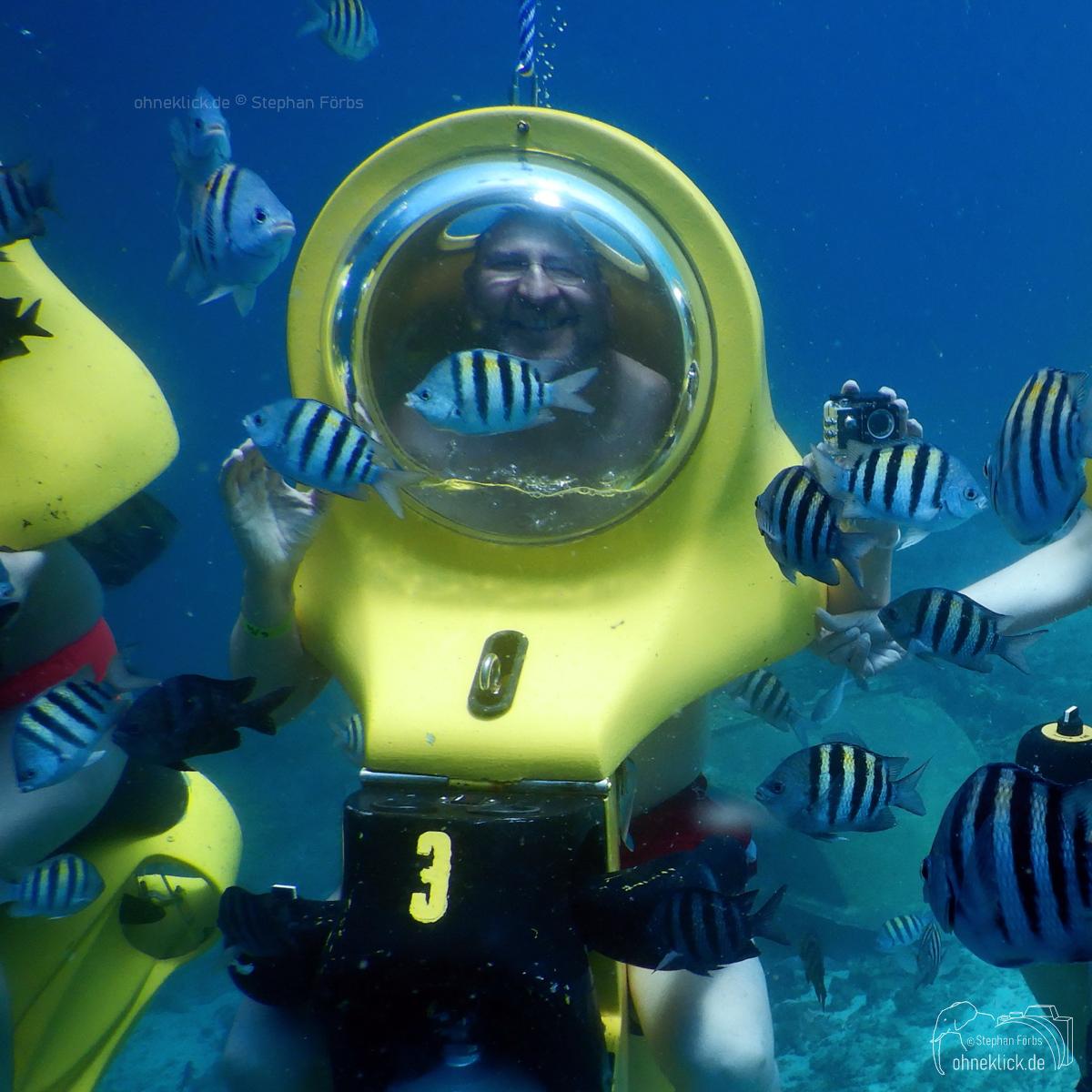
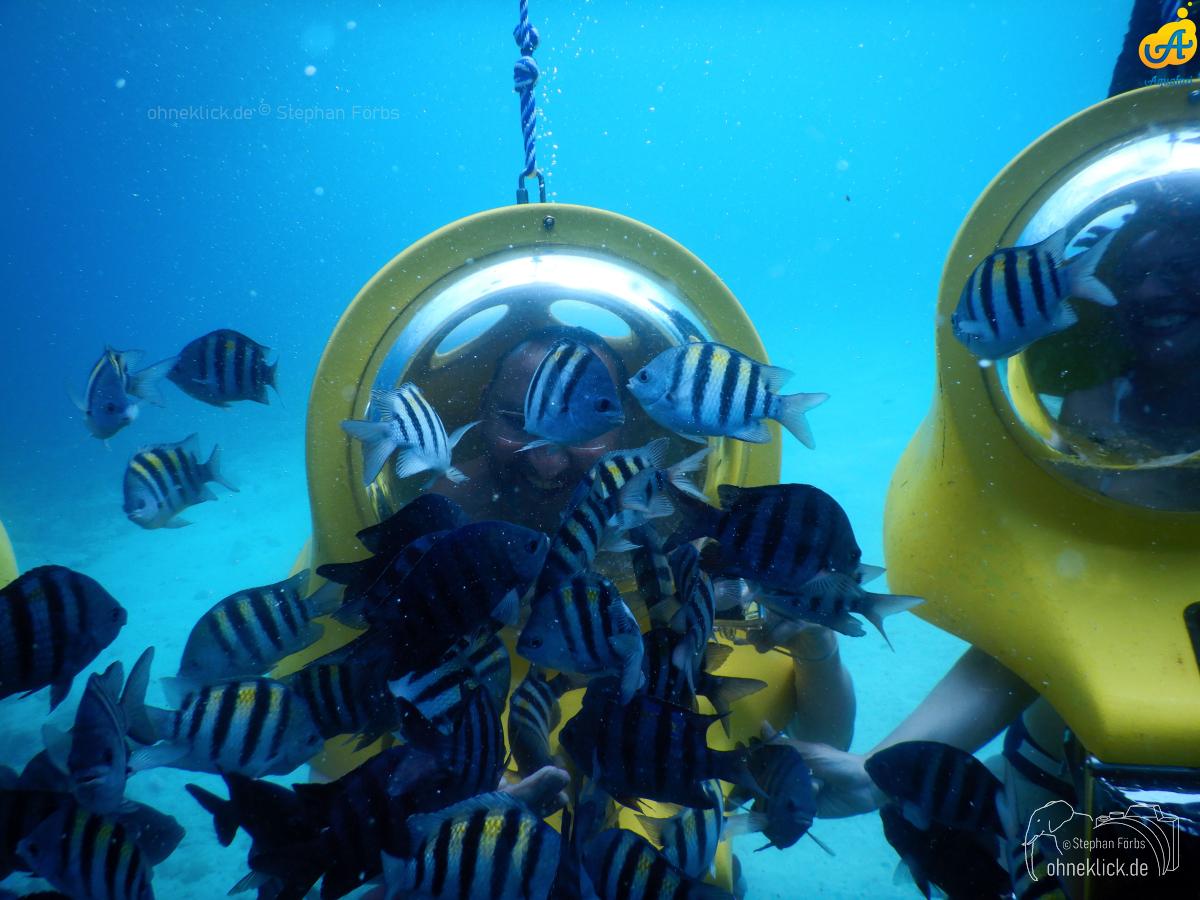
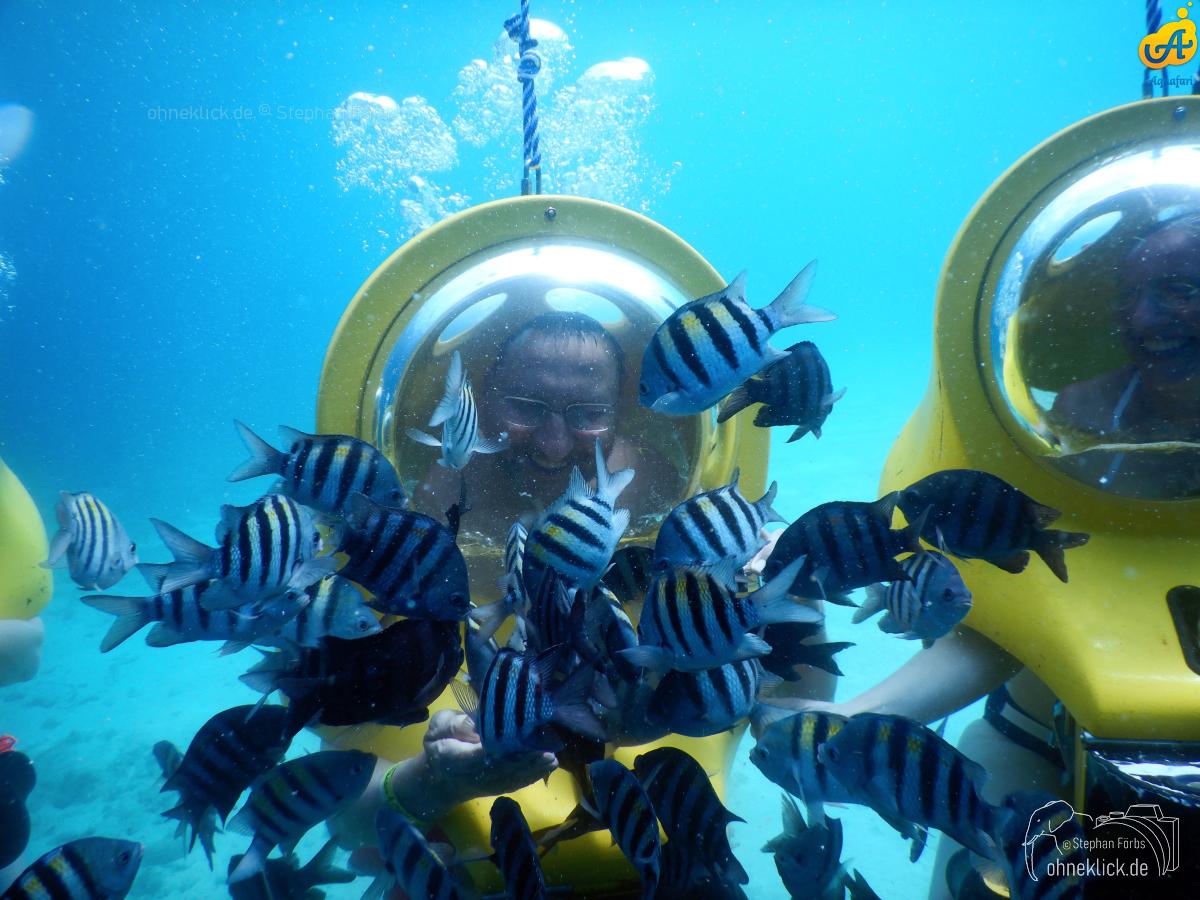
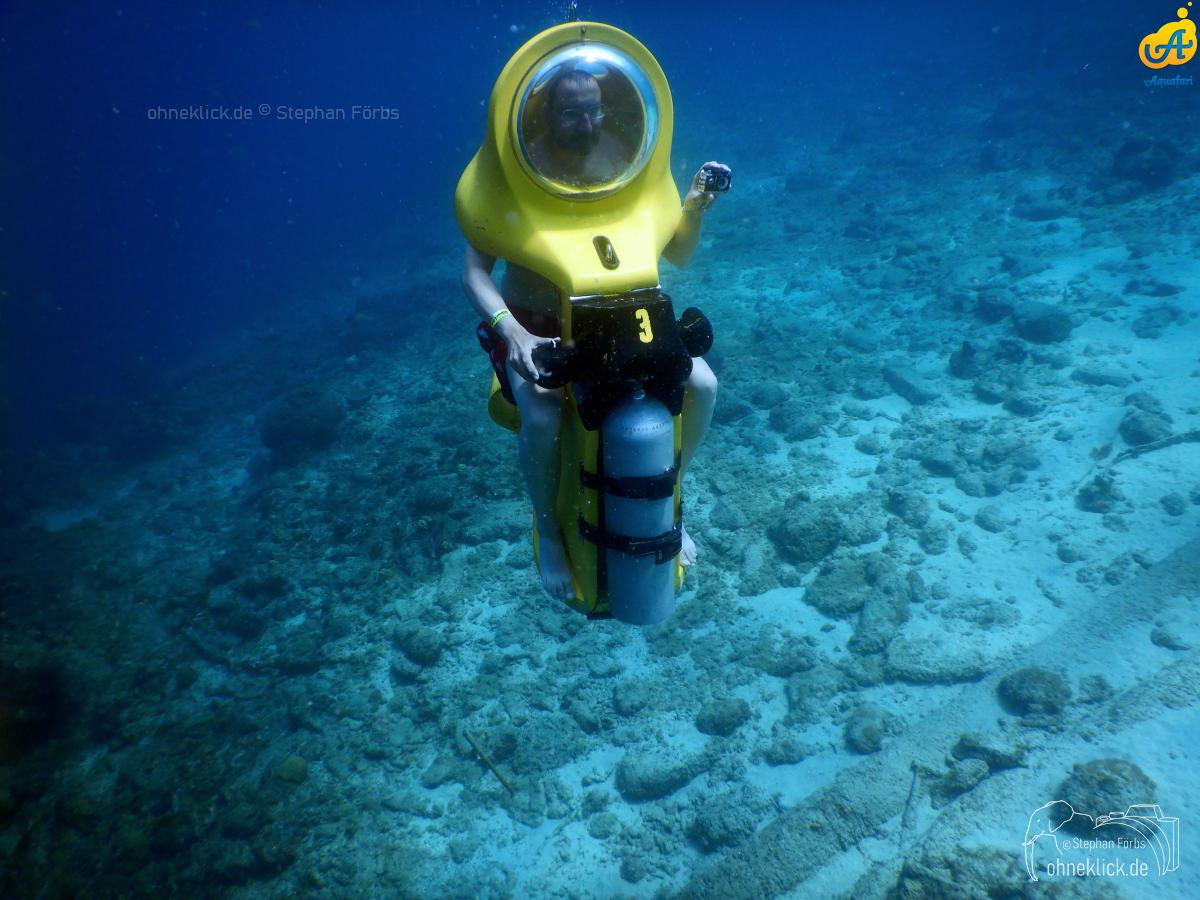
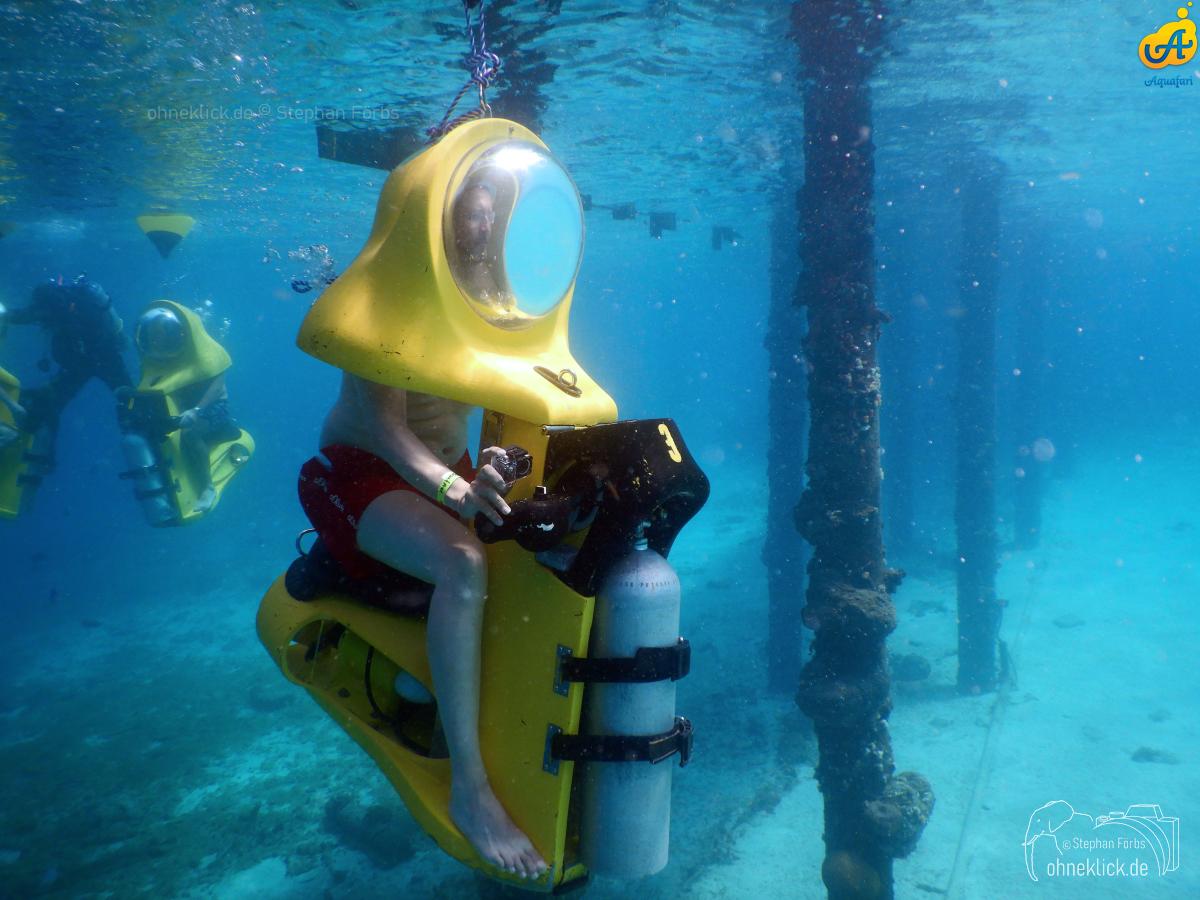
Berühmt ist Curaçao nicht nur wegen des gleichnamigen Getränkes Blue Curaçao, sondern besonders wegen des – tatsächlich so blauen – kristallklaren Wassers, welches ideale Bedingungen zum Tauchen bietet. Auch viele (US)-Amerikanische Touristen machen hier Urlaub. Allerdings haben wir keinen Tauchschein, sodass sich das Tauchen zwei besondere Erlebnisse konzentrieren sollte: Das eine Tauch-Erlebnis der besonderen Art war für mich, zusammen mit meiner Frau, die „Ausfahrt“ mit einem Aquafari-Unterwasser-Moped, und zum anderen, diesmal alleine, ein sensationeller Tauchgang mit einem echten U-Boot der Substation Curaçao auf 1000 Fuß Tiefe (unter dem Meer!!!!).
Ornithologisch ist einiges geboten auf Curaçao, deshalb haben wir an einem Nachmittag eine Vogelkunde-Exkursion mit Michelle da Costa Gomez von Bird Watching Curaçao gebucht. Sie hatte uns beim Hotel abgeholt und dann an mehrere außergewöhnliche Stellen geführt, wo Touristen normalerweise nicht hinkämen. Beeindruckend waren vor allem die wilden Kubaflamingos und am Abend die Kolonie von Rotbugaras (Papageien), die zu ihren Schlafplätzen auf Palmen in einem Privatanwesen kamen. Der Besitzer der Palmen, ein Arzt, hatte diese extra auf sein Grundstück transferieren lassen. Zu guter letzt hat sich ein Blauschwanz-Smaragdkolibri auf seiner Tour an einem Kaktus den Blütennektar geholt, direkt neben unserem Restaurant-Tisch.
Interessanterweise werden die karibischen Inselstaaten zuNordamerika gezählt, auch wenn sie geographisch sehr nahe an Südamerika liegen, z. B. die ABC-Inseln Antigua, Barbados oder Curacao.
After Suriname, a short „bath holiday“ on Curaçao was an ideal conclusion to our mini-South America trip 2019. The island, which is a part of the ABC Islands (Aruba, Bonaire and Curaçao), is an independent country and belongs to the Kingdom of the Netherlands.
The island is very rocky and there are hardly (yet) trees, thanks to the high temperatures, little rainfall and the tropical climate, cacti and succulents and palm trees thrive magnificently.
Curaçao is famous not only because of the drink of the same name Blue Curaçao, but especially because of the – actually so blue – crystal clear water, which offers ideal conditions for diving. Many (US) American tourists also go on holiday here. However, we do not have a diving license, so that diving should focus on two special experiences: This was a diving experience of a special kind for me, together with my wife, the „exit“ with an Aquafari underwater moped, and on the other hand, this time alone, a sensational dive with a real submarine of the substation Curaçao at 1000 feet depth (under the sea!!!!).
Ornithologically, there is a lot to offer on Curaçao, so we booked a bird science excursion with Michelle da Costa Gomez from Bird Watching Curaçao one afternoon. She had picked us up at the hotel and then led us to several extraordinary places where tourists would not normally be able to. Impressive were the wild Cuban flamingos and in the evening the colony of Rotbugaras (parrots), which came to their sleeping places on palm trees in a private estate. The owner of the palm trees, a doctor, had these transferred to his property. Last but not least, a blue-tailed emerald colibri has taken the flower nectar on its tour at a cactus, right next to our restaurant table.
Interestingly, the Caribbean island states are counted to North America, even if they are geographically very close to South America, e.g. the ABC Islands of Antigua, Barbados or Curacao.